Follow the actual growth habit
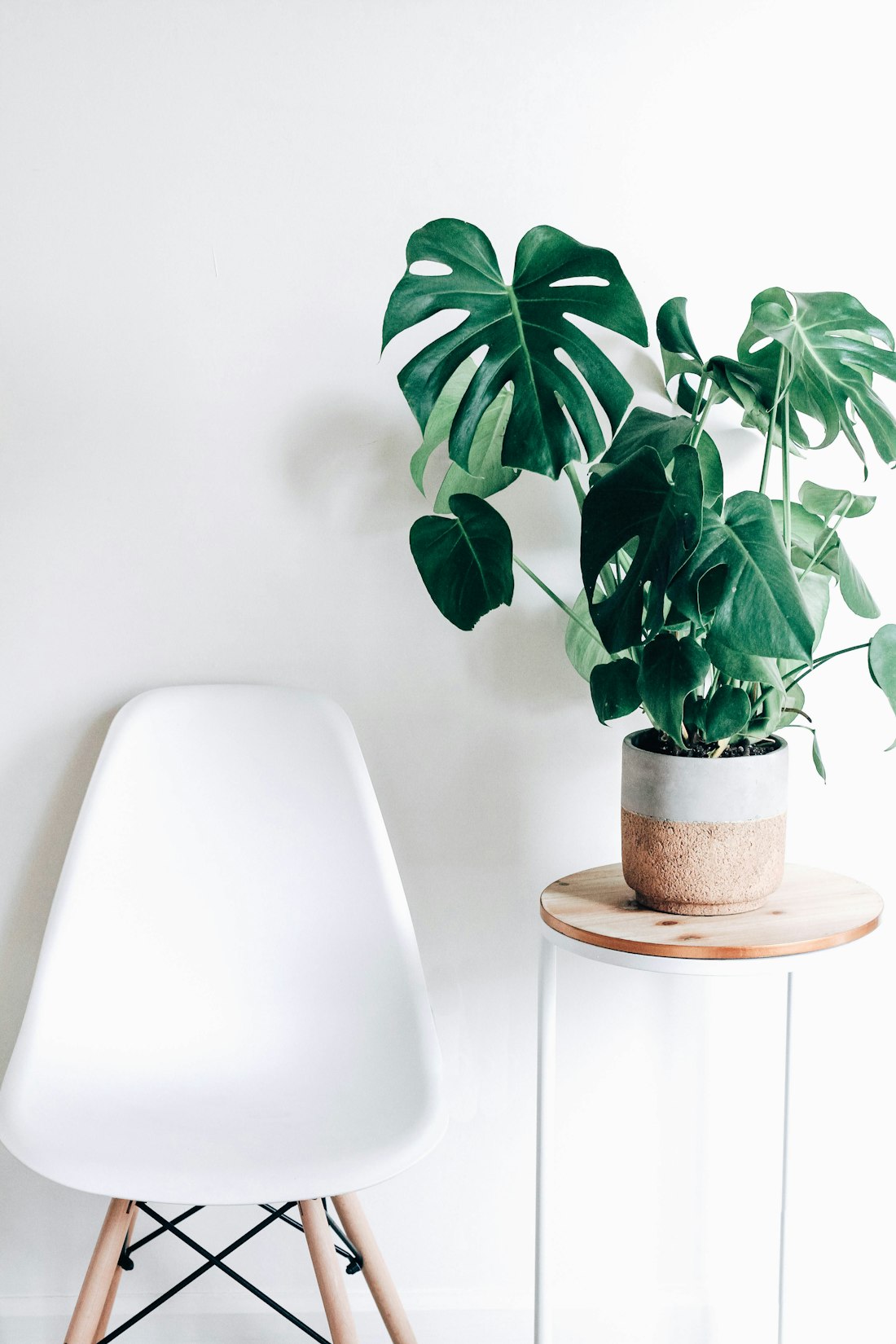
Identify the plant before adding a pole, trellis or series of ties. A climbing Monstera and a naturally arching foliage plant do not need the same display. The RHS Monstera guide makes its potential size clear, which helps set realistic expectations for support. Study where the main stem runs and where leaves attach. Do not pull on a petiole simply because it seems to be the easiest part to reach.
Rehearse the care route
Place the proposed support where the pot can remain stable and be inspected. Think about watering, turning if appropriate, moving through doors and cleaning behind it. A tall structure can make a small pot surprisingly awkward to handle. Sketch its full height and mark which tasks require lifting. Check species-specific training advice and use suitable gentle attachments where needed, leaving space for growth rather than binding stems tightly to achieve an immediate outline.
Build in a later decision
Photograph the original stem position and note which attachments you added. Inspect them as part of normal care so an initially loose tie does not become restrictive unnoticed. Decide in advance how you would extend or replace the structure. If that task would require more space than you have, a shorter display or a different plant may be more practical. Good support guides growth while preserving the owner’s ability to observe and maintain the plant. Store spare suitable ties with the plant tools so needed adjustments do not depend on improvising with rigid household materials.
This article combines general educational guidance with original planning exercises. It does not claim first-hand field testing or an endorsement from the linked organization. Sources checked October 2026.