Begin with identity and uncertainty
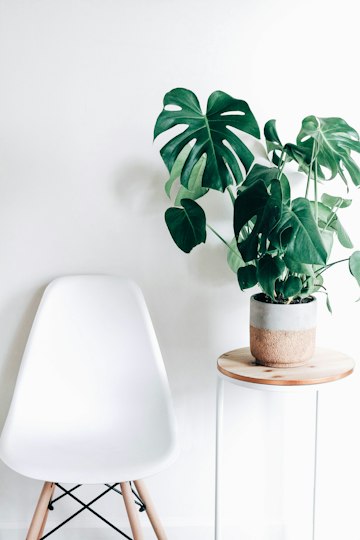
Record the plant's common and botanical names if you know them, the source of the identification and the date it entered your care. An uncertain name should stay marked as uncertain. Add a photograph of the whole plant, its pot and its normal position. This gives future observations a reference point.
Record decisions instead of routine noise
You do not need a paragraph for every glance at a windowsill. Record changes: a move, a repotting, a new medium, an unusual observation or a significant care adjustment. Explain the reason. A dated entry saying ‘moved away from radiator after noticing the pot drying much faster’ is easier to learn from than a string of unlabelled photographs.
Use photos consistently
Take comparison pictures from a similar angle and distance. Include enough of the setting to remember where the plant stood. Avoid declaring success or failure from one image: lighting and camera settings can alter appearances. When seeking help, a clear picture and a concise history are often more useful than a guess about the cause.
Review the system, not your worth as a grower
The record is there to improve decisions, not grade you. If the log is becoming a chore, reduce it to three fields: what changed, why and what happened next. Keep links to care references separately so that notes do not become copied manuals. Over time, the result is a small, honest record of your own observations.
This article combines general educational guidance with original planning exercises. It does not claim first-hand field testing or an endorsement from the linked organization. Sources checked October 2026.