Inspect before wiping
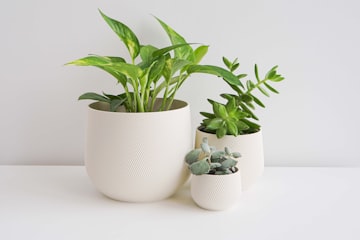
Dust can hide the details you need to see, but a dirty-looking leaf may also have a natural surface texture or signs of a pest. Identify the plant and look closely before touching it. Minnesota Extension recommends a damp cloth for cleaning suitable foliage and advises against leaf-shine products. Do not assume that a method suited to a broad, smooth leaf is appropriate for every fuzzy, delicate or powder-coated surface.
Support the leaf you are cleaning
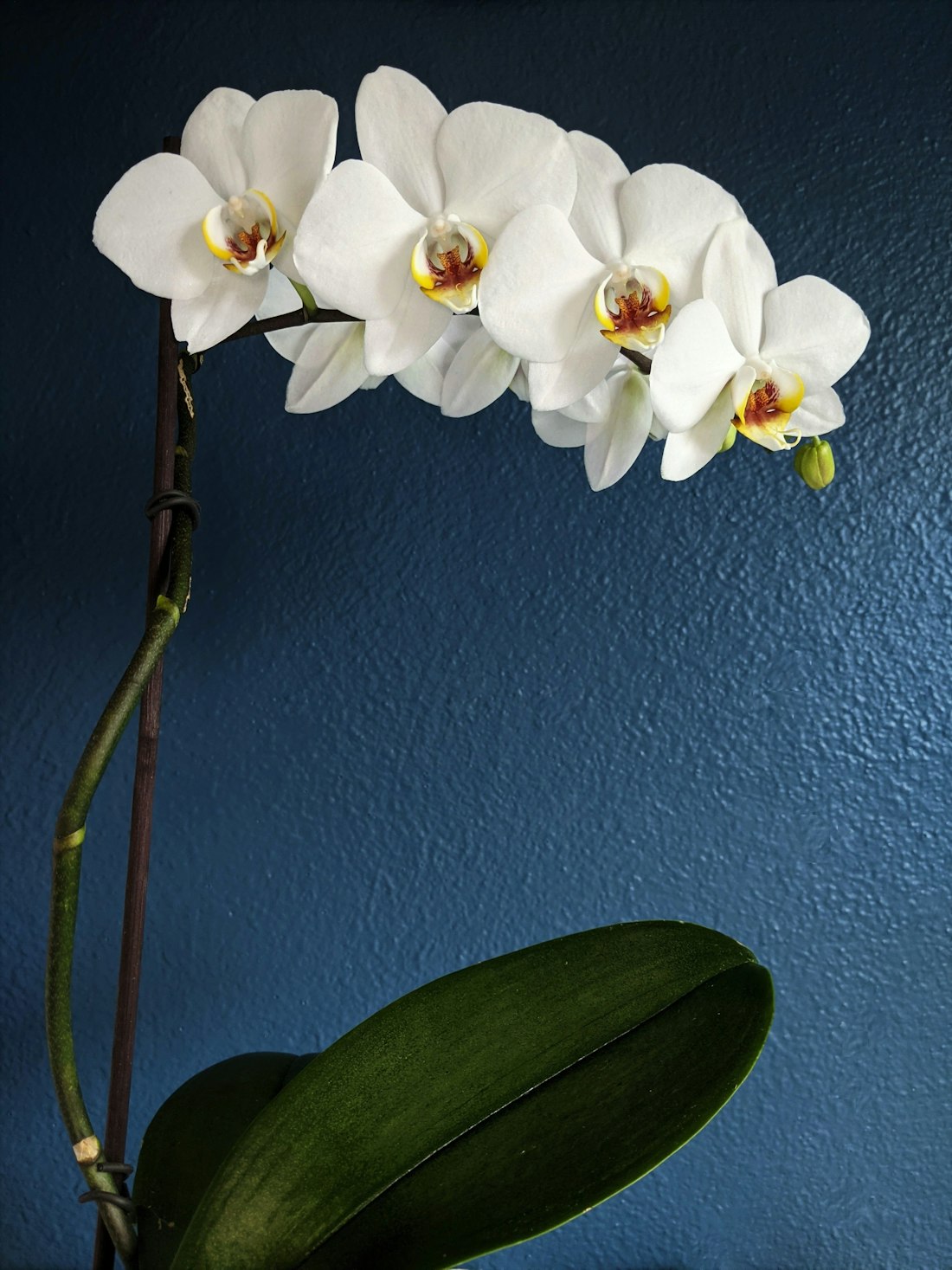
Work where accidental drips will not damage furniture. For foliage that can be wiped safely, support each leaf while cleaning gently instead of dragging against the petiole. Keep cleaning and diagnosis separate: if a sticky patch or cluster of insects appears, stop to identify the cause. Lay out a clean cloth and a discard container before beginning, so removed debris does not simply return to another pot.
Let the routine reveal the collection
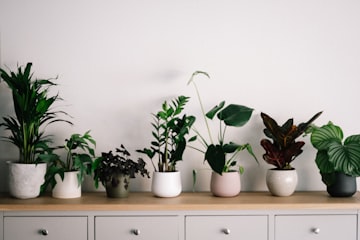
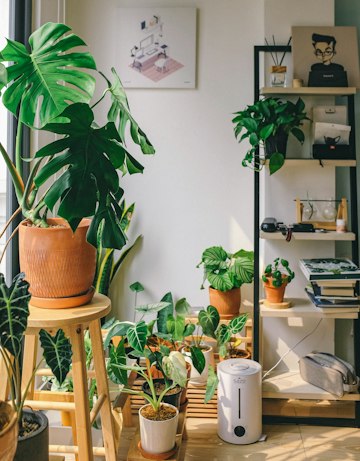
Clean only what needs cleaning rather than treating every plant as a weekly chore. While the pot is accessible, check its label, drainage and the space around its growing tips. Make a short note of a damaged leaf instead of trimming everything immediately for a photograph. A useful cleaning session leaves the plant easier to inspect. It also teaches you which specimens are awkward to reach and would benefit from a more practical position. Clean the support surface afterward so the inspection ends with an accessible place for the next routine check.
University of Minnesota Extension: managing insects on indoor plants ↗
This article combines general educational guidance with original planning exercises. It does not claim first-hand field testing or an endorsement from the linked organization. Sources checked October 2026.