Choose a usable arrival station
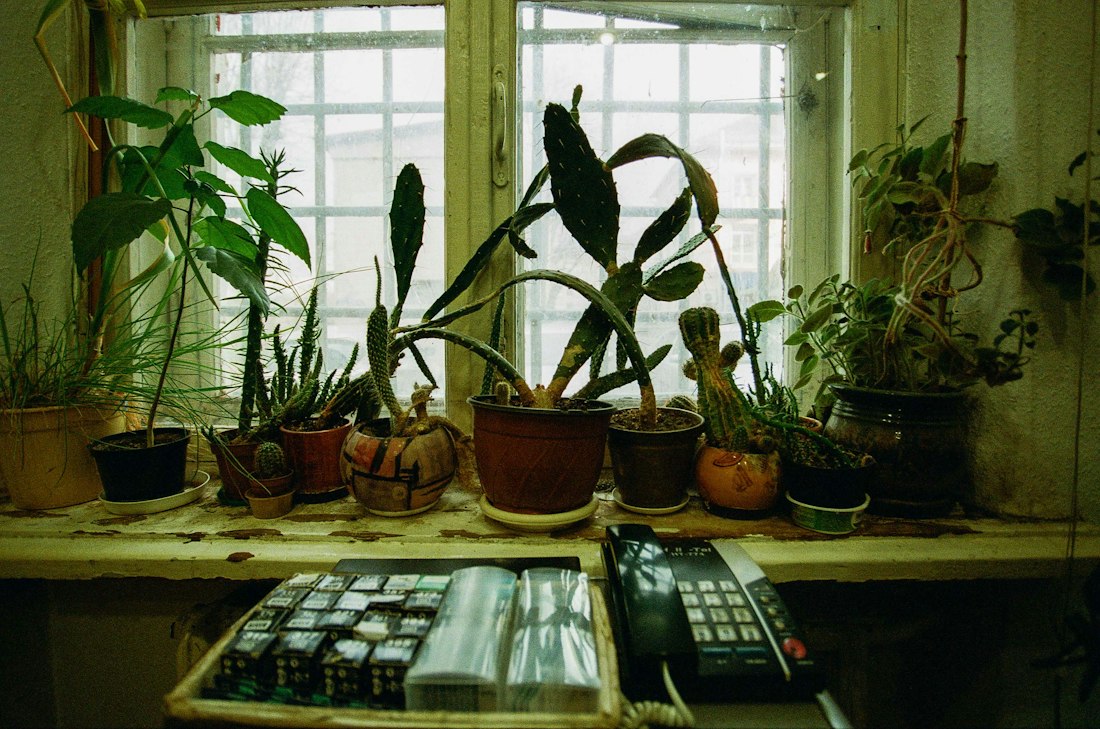
A new plant needs an appropriate environment while you observe it. Isolation should not mean a dark cupboard or a cold porch. Find a separate location that broadly matches its light and temperature requirements and allows you to examine the leaves. Minnesota Extension recommends isolating newly acquired plants for one to two weeks. Treat that as an observation period, while recognizing that a clean inspection cannot prove a plant is pest-free.
Make contact points obvious
Use a washable surface and keep the new plant from touching its neighbors. Place its watering container and tools where you will remember to clean them before using them elsewhere. Draw a small map of plants that arrived together if you brought home several. That map becomes useful if a later problem appears, because it records actual contact rather than a vague memory of where everything stood on the first evening.
Decide what would delay the move
Inspect the same parts of the plant at each check and photograph anything uncertain. A suspect insect, new webbing or unexplained deterioration is a reason to investigate before integrating the plant. Ask a local extension service or qualified horticulturist for help with clear photographs and the plant name. Do not apply a preventive collection of products without a diagnosis. Move the plant only when the observations and any necessary management support that decision. A small arrival label also helps other household members avoid moving the plant into the main display prematurely.
University of Minnesota Extension: managing insects on indoor plants ↗
This article combines general educational guidance with original planning exercises. It does not claim first-hand field testing or an endorsement from the linked organization. Sources checked October 2026.