Know which orchid you have
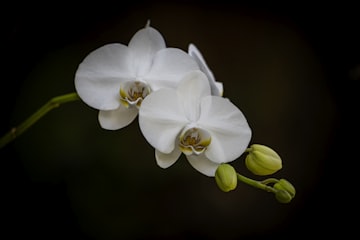
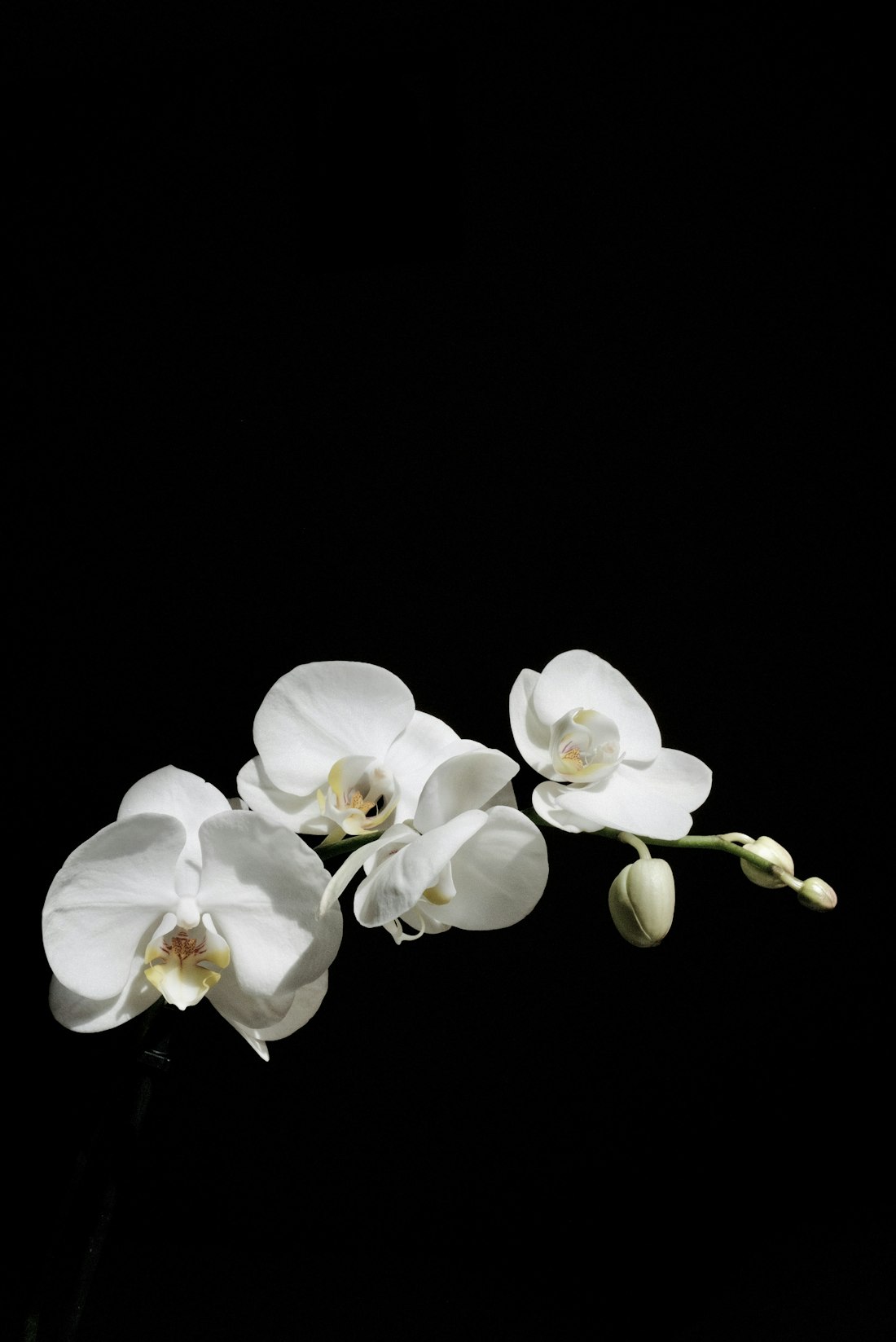
The word orchid covers plants with different requirements. Begin with a reliable identification, then find care guidance for that plant. This article focuses on the common moth orchid, Phalaenopsis, rather than treating every orchid alike. Its growing setup should support the roots and the appropriate watering routine, not simply match the room.
Start with the medium
RHS guidance describes using fresh orchid compost when repotting Phalaenopsis. Ordinary houseplant compost is not an interchangeable default for all orchids. Before buying a decorative pot, check what the plant is currently growing in and how the medium behaves. If you cannot identify the plant or medium, resolve that uncertainty before making a major change.
Think about the inner and outer container
Treat the growing container and the decorative cover as separate decisions. You need to be able to inspect, water and drain the plant without creating an awkward process you will avoid. Check that the cover does not conceal a persistent pool of water. A beautiful pot is useful when it supports a manageable care routine, rather than making the plant harder to observe.
Do a maintenance rehearsal
Before committing to the setup, imagine watering it at the sink, letting it drain and returning it to its position. Can you lift it safely? Can you see whether water remains in the cover? Does the plant sit securely? Record the last repotting date if you know it; leave it unknown if you do not. Keep the plant's actual needs ahead of a decorative schedule.
RHS: Phalaenopsis growing guide ↗
This article combines general educational guidance with original planning exercises. It does not claim first-hand field testing or an endorsement from the linked organization. Sources checked October 2026.