Ask whether the plants belong together
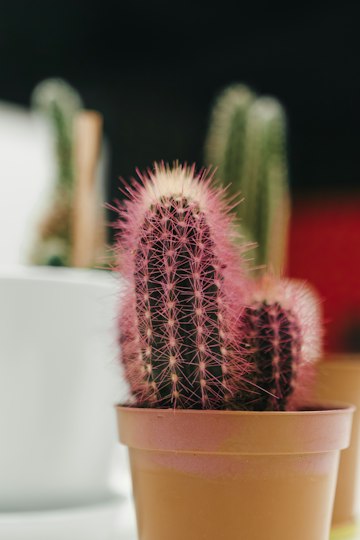
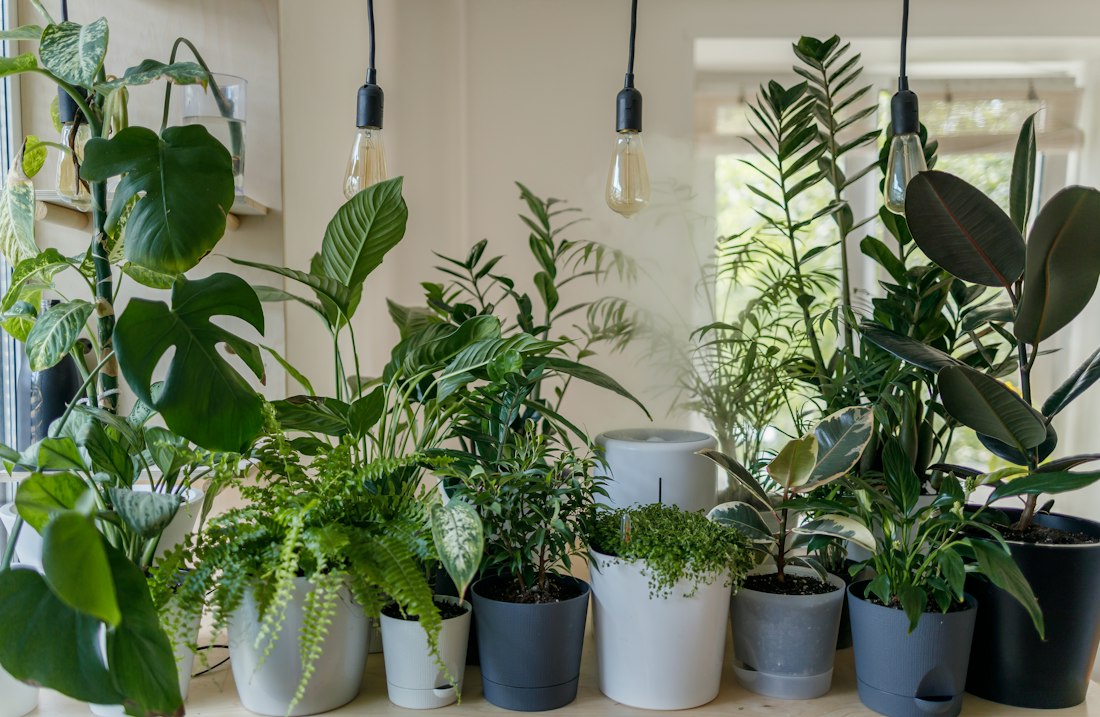
A bowl can combine plants that look harmonious but have different requirements. Record the identity of every proposed occupant and compare light, moisture and seasonal needs. RHS cautions that excessive moisture is a problem for many indoor cacti and succulents. That gives drainage priority over a perfectly level decorative surface. If you cannot identify a plant, keep it separate while you establish its requirements instead of assuming it fits the group.
Design a reversible display
One practical option is to arrange individual growing pots within a larger decorative vessel. This allows you to lift, inspect and water each plant separately. Check that the cover can be emptied easily and that pots do not disappear beneath decorative material. Draw the arrangement from above and mark how each inner pot will be removed. If extracting the center plant requires dismantling everything, simplify before you fill the bowl.
Allow the arrangement to change
The plants will not necessarily grow at the same rate. Leave room to move a larger specimen into its own container without damaging neighbors. Photograph the starting arrangement and list what you would remove first if the space becomes crowded. Consider the bowl a display that can evolve rather than a permanent miniature landscape. A less tightly packed group often gives you a clearer view of the plants and a much more manageable care routine. Use a removable name tag for each plant so identities remain clear after the arrangement has been changed several times.
RHS: houseplant cacti and succulents ↗
This article combines general educational guidance with original planning exercises. It does not claim first-hand field testing or an endorsement from the linked organization. Sources checked October 2026.