Start with the farthest container
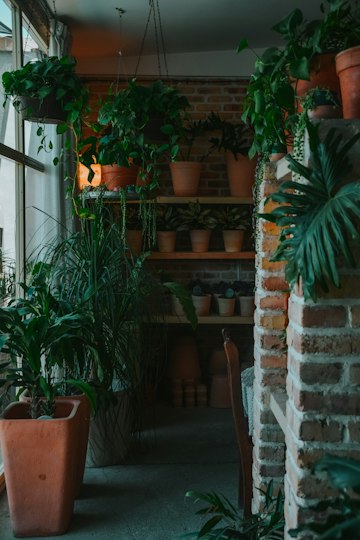
Imagine checking the pot at the back without moving the entire row in front. If that task requires lifting foliage over other foliage, the shelf is already crowded. Maryland Extension favors choosing plants that match the home’s conditions; access is a practical part of making that match sustainable. Measure both container footprints and leaf spread. A shelf that holds six empty pots may not comfortably hold six mature plants.
Group for work as well as appearance
Arrange plants with similar needs near each other where conditions permit, while keeping each watering decision individual. Leave a clear place to set down a removed pot. Check that the shelf and its fixings are appropriate for the load, including watered containers. Avoid routing electrical cords through a space where water routinely drips. Make a small map if several plants must return to precise locations after inspection, especially where light varies across the shelf.
Set a capacity before shopping
Choose a number of plants you can inspect comfortably and treat that as the current limit. When a plant grows, revise the arrangement instead of merely squeezing in another riser. Photograph the shelf with the maintenance route visible, then note which pot is hardest to reach. Improve that one task before buying more storage. The result can be a calmer display because the collection has enough space to be cared for without constant rearrangement. Keep the tallest specimen from obscuring the label and growing tips of the smallest pot immediately behind it.
University of Maryland Extension: selecting indoor plants ↗
This article combines general educational guidance with original planning exercises. It does not claim first-hand field testing or an endorsement from the linked organization. Sources checked October 2026.