Read the container first
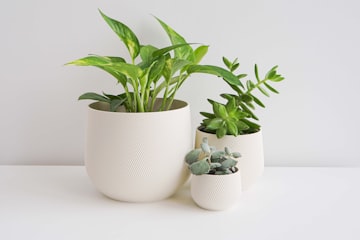
A plant that looks crowded above the rim may still have room below it. Before buying a larger pot, inspect the drainage openings and, when it can be done gently, the root ball. Note whether roots occupy the available medium or whether much of it remains uncolonized. RHS guidance describes repotting as a way to replenish compost and provide growing space. That does not make an automatic annual upgrade useful for every species.
Prepare the whole route
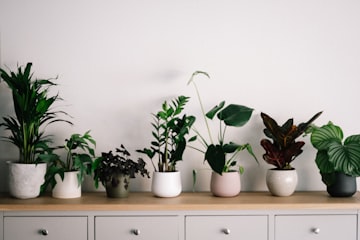
Arrange the new container, suitable fresh growing medium, clean tools and a place for drainage before lifting the plant. Check the identified species for its preferred repotting season and medium. Choose a manageable increase in size when more room is actually needed. An oversized pot is not a reward. Sketch the sequence on a scrap of paper if the plant is heavy, awkward or supported by a climbing structure.
Keep the aftercare legible
Photograph the plant before you begin and note the reason for the change. After repotting, follow species-appropriate watering and placement guidance, and avoid piling on unrelated interventions. Put the old container aside for cleaning rather than immediately filling it with another plant. Check that the new setup can be lifted and drained comfortably. The useful result is a root environment you can manage, with enough information to understand its subsequent behavior. Keep the new pot size with the record so its behavior can be compared with the previous setup.
This article combines general educational guidance with original planning exercises. It does not claim first-hand field testing or an endorsement from the linked organization. Sources checked October 2026.