A reminder is a prompt to check
A recurring reminder can help you notice a plant, but it cannot tell you whether the roots need water. A pot by a warm window behaves differently from one in a cooler corner. The RHS notes that temperature affects watering needs. Use the reminder to inspect the plant and its growing medium, then decide. In this retrospective of a 2024-style care routine, the useful change is replacing ‘water every Sunday’ with ‘check every Sunday’.
Learn one pot at a time
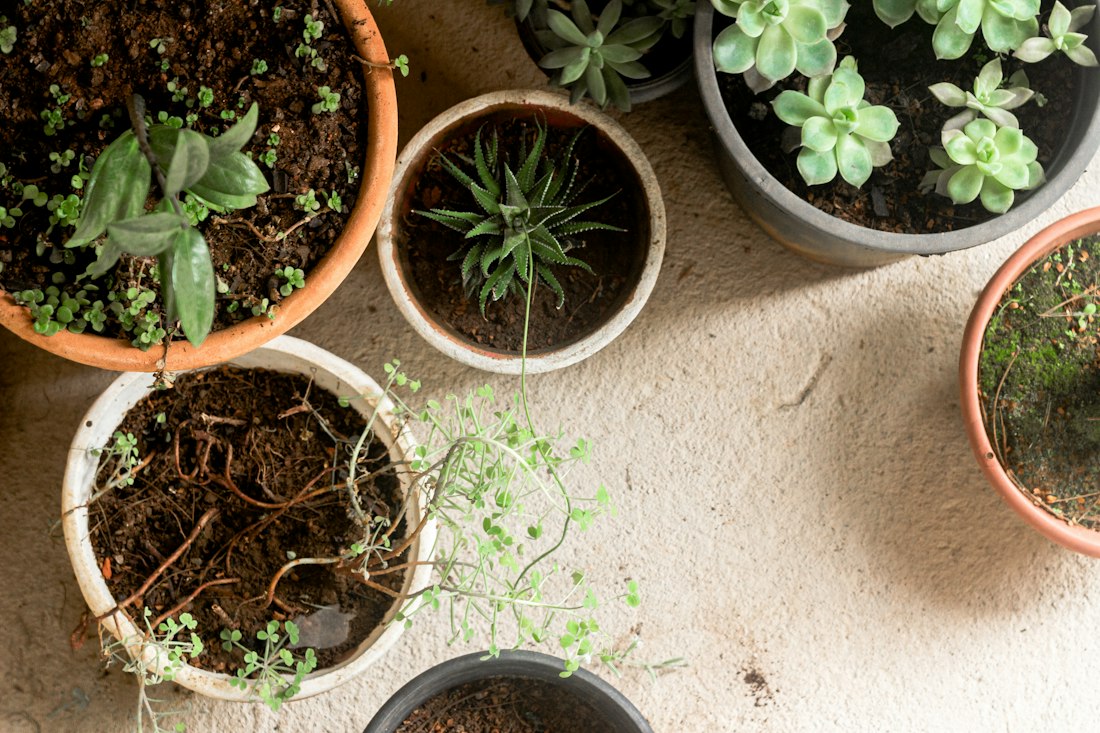
Check the species' needs and learn how its growing medium feels and how the pot's weight changes. A surface that looks dry does not tell the whole story of a deep container. Record your observation before watering: where the plant stands, what you checked and why you chose to water or wait. Avoid trying to establish one threshold for every species in your collection.
Make drainage visible
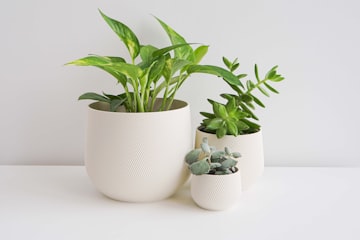
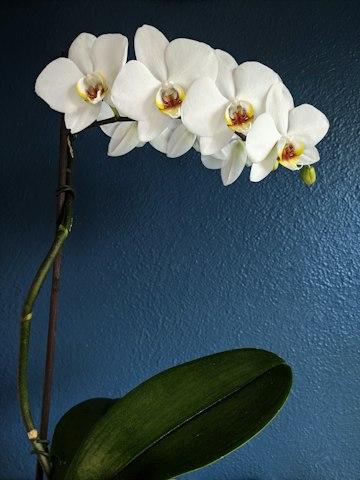
An attractive outer pot can conceal standing water. Check that excess water can leave the growing container, and inspect the outer container after watering. Do not assume that adding a decorative layer inside a pot fixes a drainage problem. Follow guidance appropriate to the plant and its growing medium, particularly for specialist plants such as orchids.
Change one thing, then observe
A struggling plant can tempt you to move it, fertilize it, repot it and change the watering routine all at once. That makes the result harder to interpret. Identify the most plausible problem, choose an appropriate response and observe. If you need a diagnosis, take clear photographs and notes to a qualified local source.
RHS: how to grow houseplants ↗
This article combines general educational guidance with original planning exercises. It does not claim first-hand field testing or an endorsement from the linked organization. Sources checked October 2026.